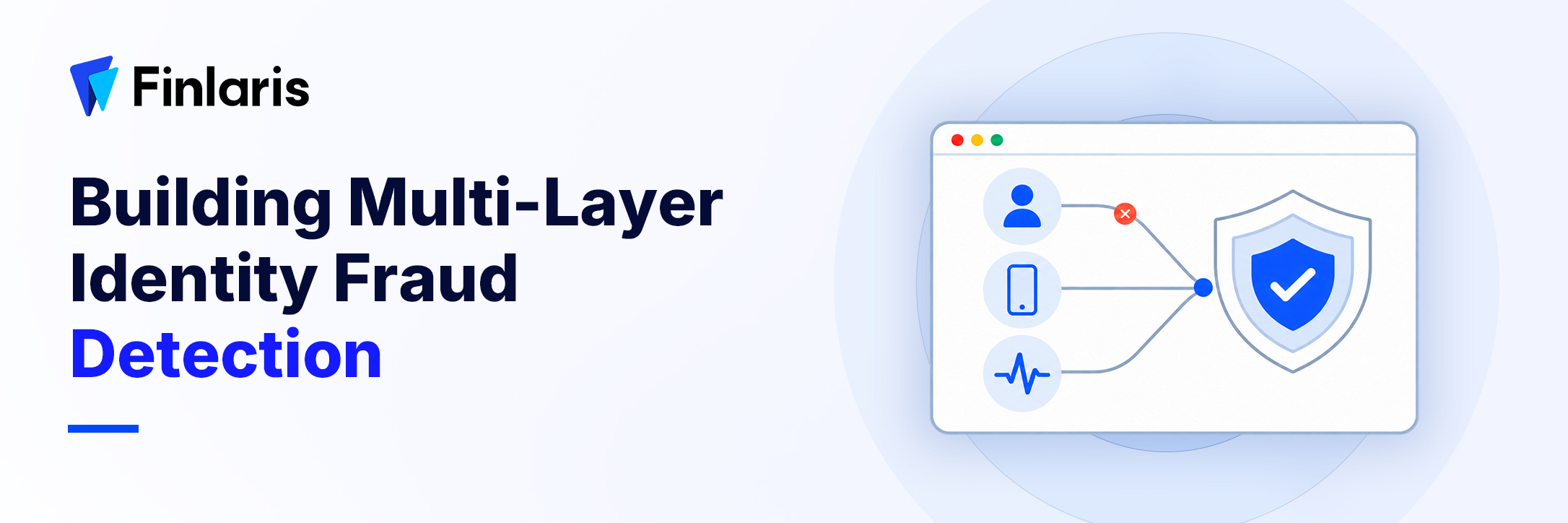
Multi-Layer Identity Fraud Detection: Combining Identity, Device, and Behavioral Signals
Identity fraud rarely produces one definitive warning. A stolen document may appear genuine, a deepfake may resemble the expected person, and a suspicious device may still belong to a legitimate customer.

How to Reduce Document Capture Errors in Digital Onboarding
Document capture errors can slow onboarding, weaken OCR accuracy, and cause genuine customers to abandon verification. Common problems include blur, glare, cropped edges, poor lighting, perspective distortion, and submission of the wrong document side.
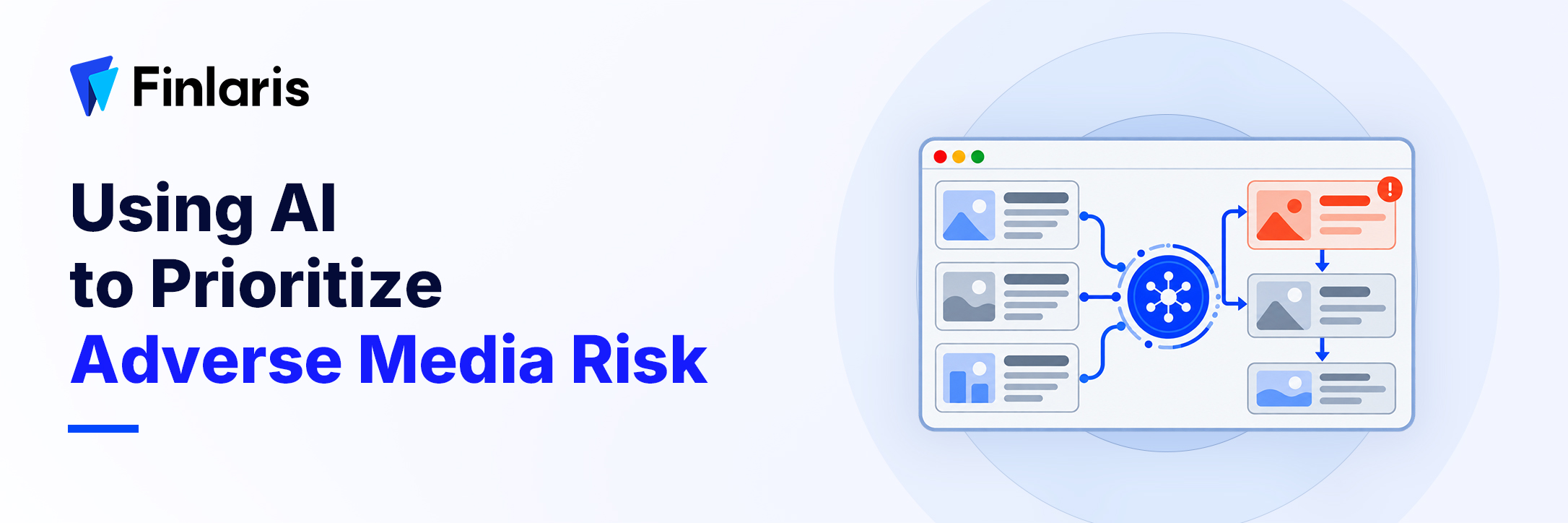
AI-Based Adverse Media Classification: How to Prioritize Relevant Risk Signals
Adverse media screening can reveal customer risks that sanctions, PEP, and watchlist databases do not yet contain. However, broad news searches often return duplicated articles, unrelated people, low-quality allegations, old events, and negative stories with little compliance relevance.

Finlaris Expands Its Global Partner Program Through Business Strategic Partnership with Bastion in the Philippines
The partnership advances Finlaris’ international expansion while enabling Bastion to connect Philippine businesses with accessible, low-maintenance identity verification and fraud prevention technologies.
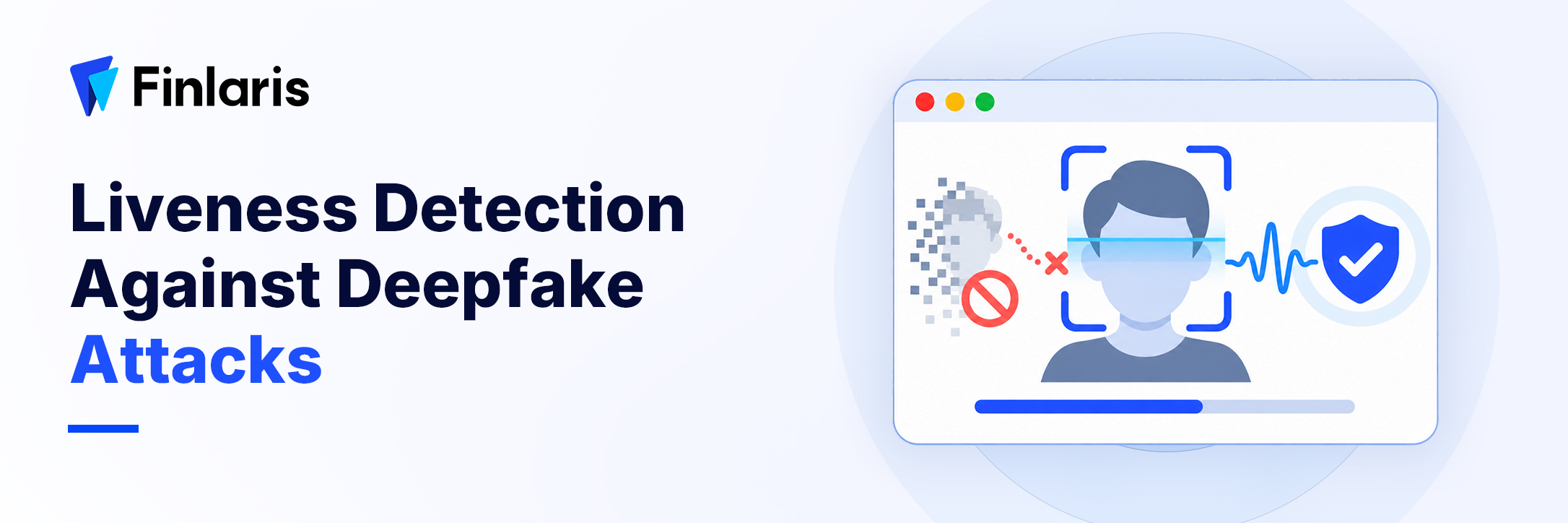
Liveness Detection vs Deepfake Attacks: What Each Layer Can and Cannot Stop
Liveness Detection is essential for remote identity verification, but it is not a universal deepfake defense. Its effectiveness depends on where an attack enters the verification process and which signals the system can observe.

How to Automate Sanctions Screening in Digital Onboarding
Sanctions screening is a critical control in digital onboarding, but automation requires more than comparing a customer’s name with a list. Common names, aliases, transliteration, incomplete records, and poor identity data can generate false positives or conceal relevant matches.
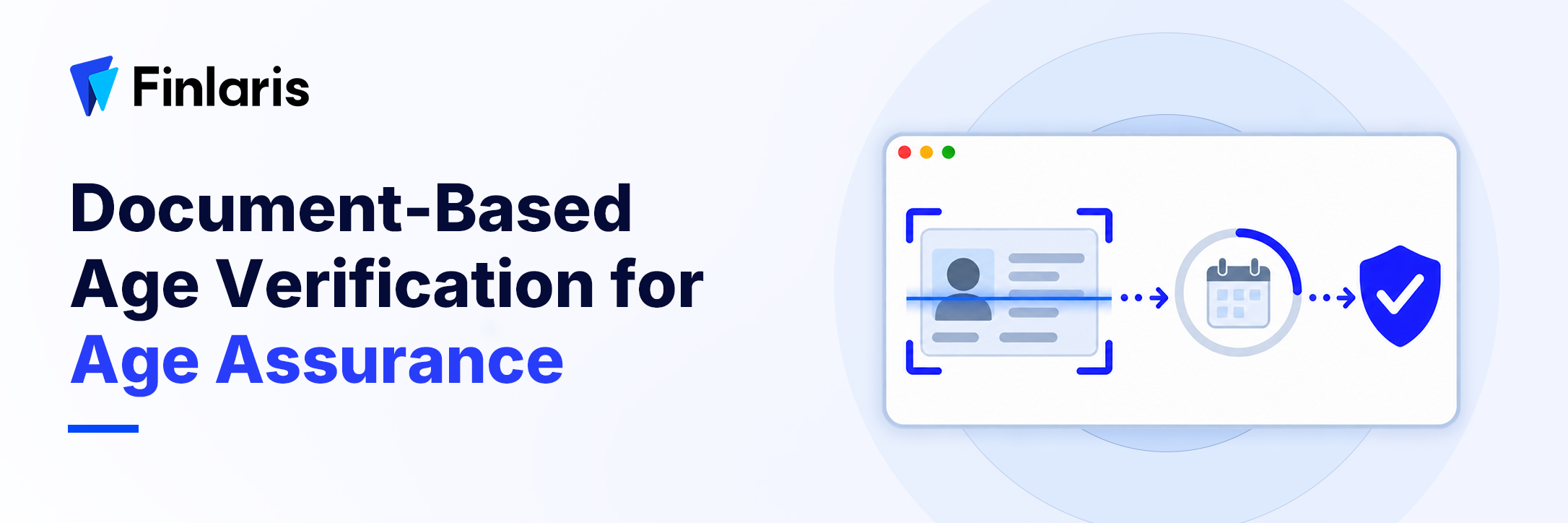
Document-Based Age Verification: How Identity Documents Support Age Assurance
Age-restricted services need confidence that a user meets the applicable age requirement. Asking for a date of birth or ticking an “I am over 18” box offers limited assurance because the information is easy to misrepresent.

How to Automate PEP Screening Without Creating Unnecessary Review Work
Politically exposed person (PEP) screening helps businesses identify customers whose public functions, relationships, or financial exposure may require additional assessment. However, a possible PEP match is not proof of corruption, money laundering, or other wrongdoing.
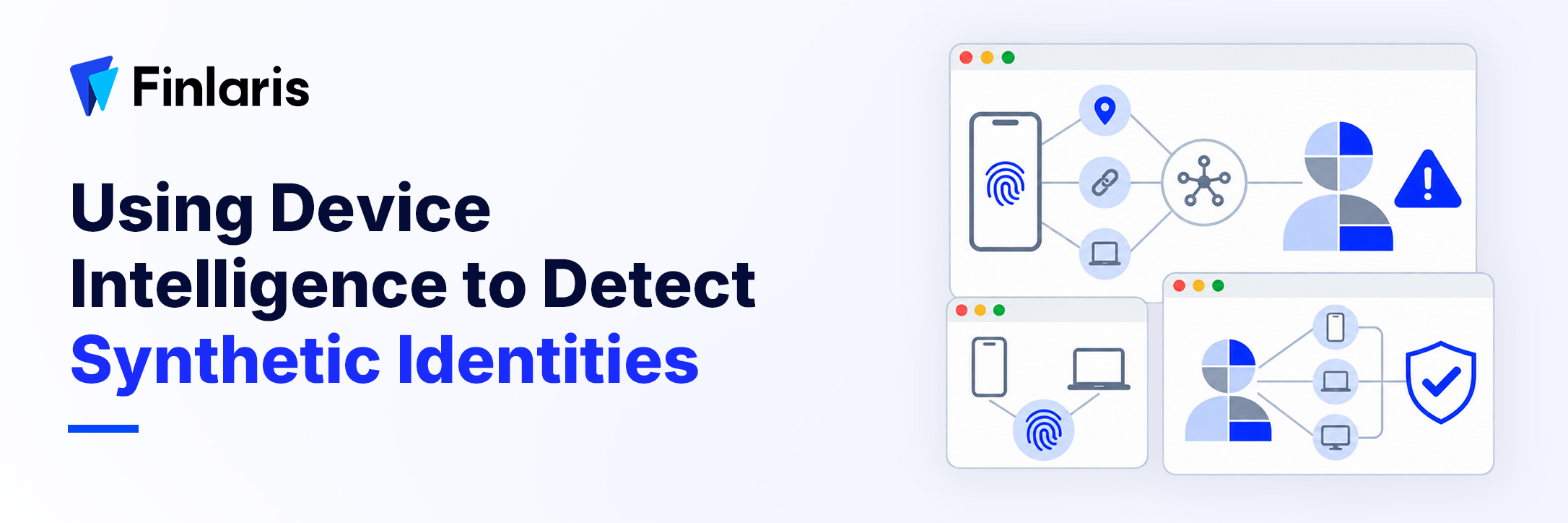
Device Intelligence for Synthetic Identity Detection: How to Spot Coordinated Fraud Signals
Synthetic identity fraud rarely depends on one obviously fake attribute. Fraudsters may combine real and fabricated personally identifiable information, create apparently plausible profiles, and gradually build account credibility before committing fraud.

Cross-Checking MRZ, Barcode, and Visual Fields for Stronger Document Verification
Identity documents can present the same information in multiple formats: printed visual fields, a machine-readable zone (MRZ), and a barcode. Comparing these representations helps businesses identify inconsistent data, capture errors, and potential document manipulation during digital onboarding.

How to Localize KYC Workflows for Different Markets Without Rebuilding Your Verification Process
Expanding a digital business into a new market often creates a false choice: reuse one global KYC workflow that does not fit local requirements, or build a separate verification system for every country.
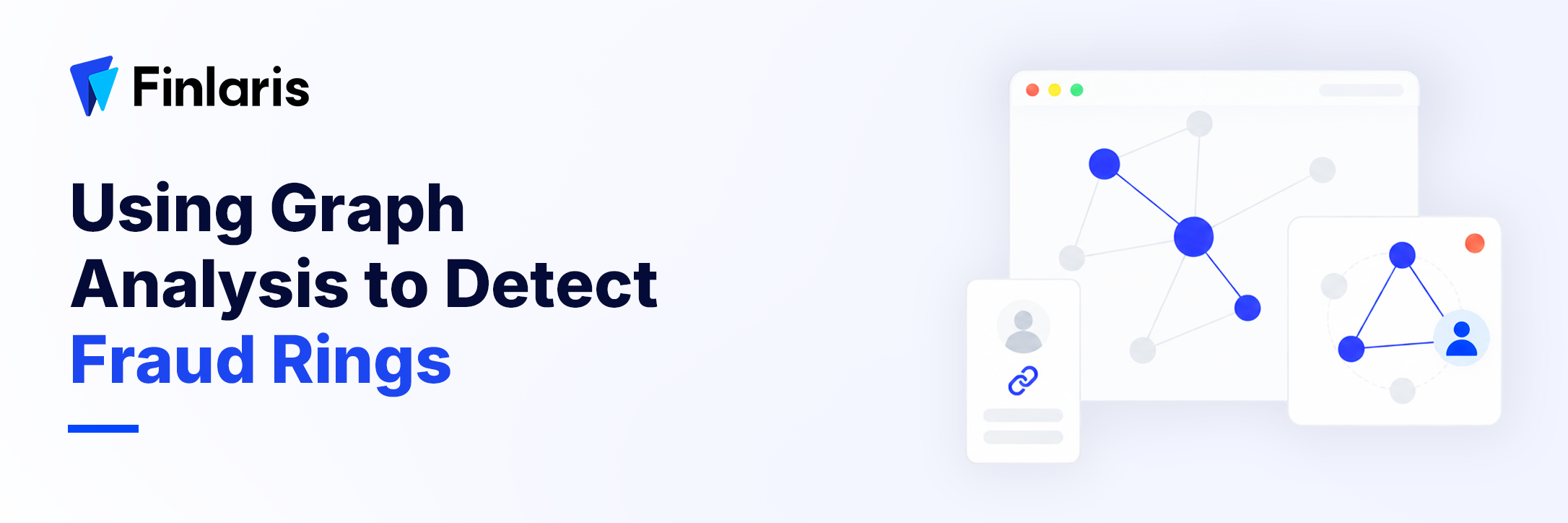
Graph Analysis for Fraud Ring Detection: How to Uncover Hidden Connections Between Accounts
Fraud rings rarely depend on one obviously suspicious account. They distribute activity across multiple identities, devices, documents, payment instruments, and transactions so that each account appears normal when reviewed independently.

How to Detect Forged Identity Documents in Digital Onboarding
Digital onboarding allows customers to open accounts, apply for services, and complete KYC without visiting a physical location. However, it also gives fraudsters opportunities to submit counterfeit documents, altered genuine IDs, digitally composited images, and recaptured documents displayed on another medium.

How to Reduce Remote Identity Verification Drop-Off Without Weakening Security
Remote identity verification can protect digital onboarding from impersonation, stolen documents, deepfakes, and account abuse. Yet it can also create unnecessary friction when users encounter unclear instructions, repeated capture failures, or verification journeys that do not reflect their actual risk.

Risk-Based AML Screening Workflows: How to Focus Review on Higher-Risk Customers
AML screening is essential for detecting sanctions exposure, politically exposed persons (PEPs), adverse media, and internal watchlist risks. However, screening systems can generate large volumes of possible matches—especially when names are common, transliterated differently, or supported by limited customer information.

Risk-Based Thresholds for Facial Comparison: Balancing Security and Conversion
Facial comparison converts the similarity between a trusted reference image and a fresh facial capture into a confidence score. A decision threshold determines whether that score is accepted, rejected, or routed for additional verification.

Risk Triggers for Enhanced Due Diligence: Building Smarter EDD Workflows
Customer due diligence should not end when an account is opened. A customer initially classified as low risk may later change devices, ownership structures, transaction behavior, or geographic exposure. When those changes increase financial crime or identity fraud risk, enhanced due diligence (EDD) may be required.

Identity Fraud Risk Scoring Explained: How to Prioritize High-Risk Verification Sessions
Digital identity verification systems may process thousands or millions of sessions, but the sessions do not carry equal risk. A customer using a trusted device with consistent identity evidence should not receive the same treatment as a session involving a manipulated document, abnormal device environment, weak face match, and suspected…