
Risk-Based Remote Identity Verification How to Secure High-Risk Online Onboarding
Remote onboarding has become the default entry point for digital financial services, online lending, payments, mobility platforms, marketplaces, and cross-border consumer applications. Users expect to open an account, verify their identity, and start using a service within minutes. For businesses, this creates a powerful growth opportunity. But it also creates…
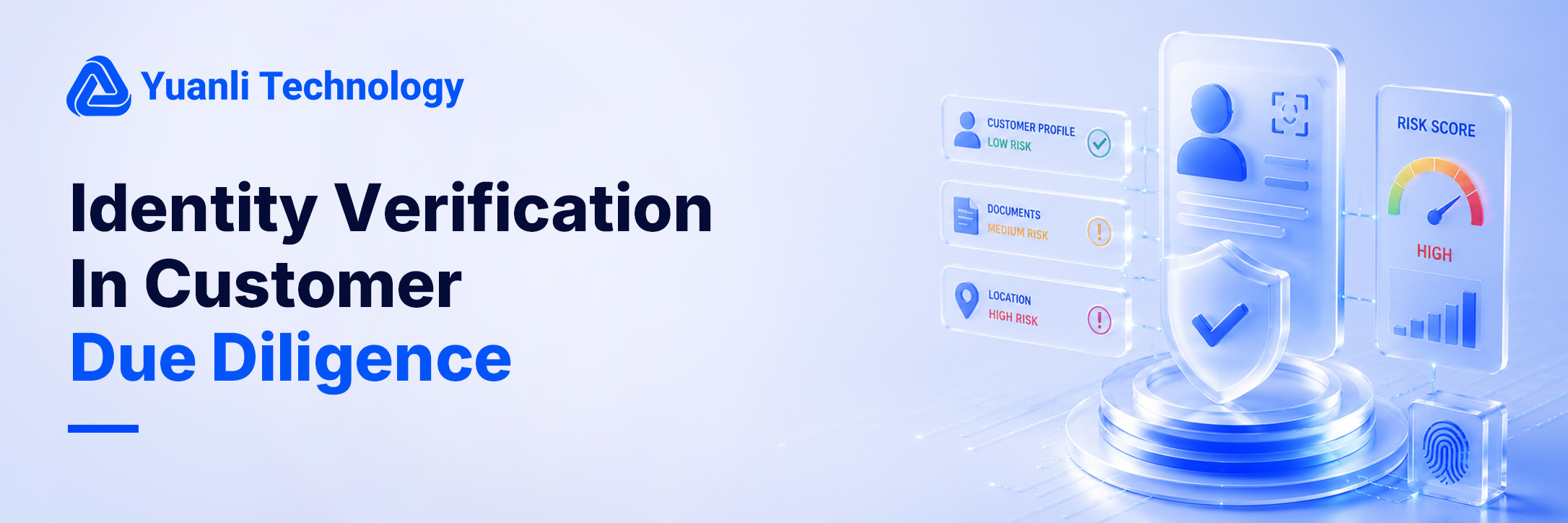
Identity Verification in Customer Due Diligence: How Digital Businesses Reduce Onboarding Risk
Customer Due Diligence, or CDD, is no longer a process limited to banks and financial institutions. As digital services expand across fintech, payments, lending, insurance, mobility, gaming, social platforms, and online marketplaces, businesses are increasingly expected to verify who their users are, assess onboarding risk, and prevent identity-based fraud before…

How Cross-Field OCR Validation Detects Document Inconsistencies During eKYC
In digital onboarding, OCR is often viewed as a simple data extraction step: capture an identity document, recognize the text, and populate fields such as name, date of birth, document number, nationality, and expiry date. But in high-risk financial and digital service scenarios, OCR should not stop at reading text.…

Yuanli Technology to Sponsor Indonesia Digital Bank Summit 2026
Indonesia’s digital banking market is entering a new stage. For banks, fintech platforms, and financial institutions, digital transformation is no longer only about faster onboarding or broader financial access. It is also about building trust at scale while managing fraud, identity risk, and responsible AI adoption.

Risk-Based Digital Onboarding: How Adaptive eKYC Balances Security and Conversion
Digital onboarding has become the default entry point for financial services, digital wallets, lending platforms, insurance providers, mobility apps, and other online businesses. Users expect to open an account, verify their identity, and start using services within minutes. At the same time, businesses are facing increasingly sophisticated fraud tactics, including…

How to Detect Deepfake Injection Attacks During eKYC Onboarding
Remote eKYC has become a standard onboarding model for digital banks, e-wallets, lending platforms, crypto exchanges, mobility platforms and many other digital businesses. A user uploads an identity document, captures a selfie or short video, completes liveness verification, and receives an onboarding decision within seconds.
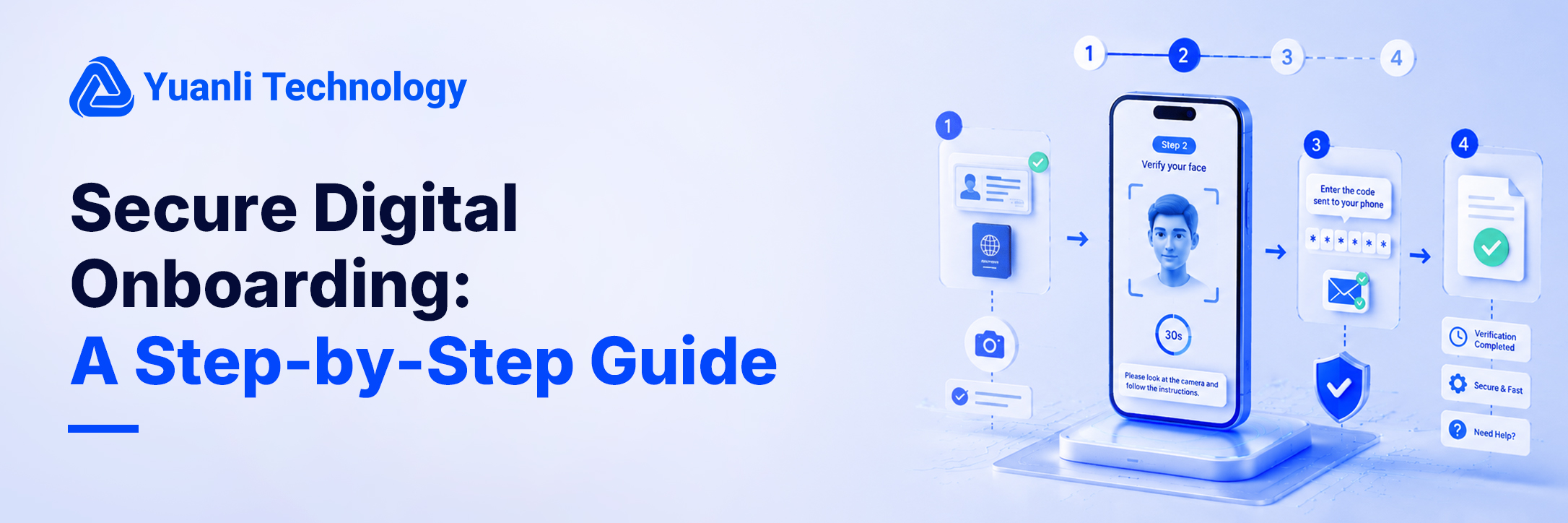
How Digital Onboarding Works: A Step-by-Step Guide to Secure eKYC Verification
Digital onboarding allows customers to open accounts, apply for loans, activate wallets, or access online services without visiting a physical branch. Instead of face-to-face checks, businesses verify identity remotely through electronic Know Your Customer, or eKYC.
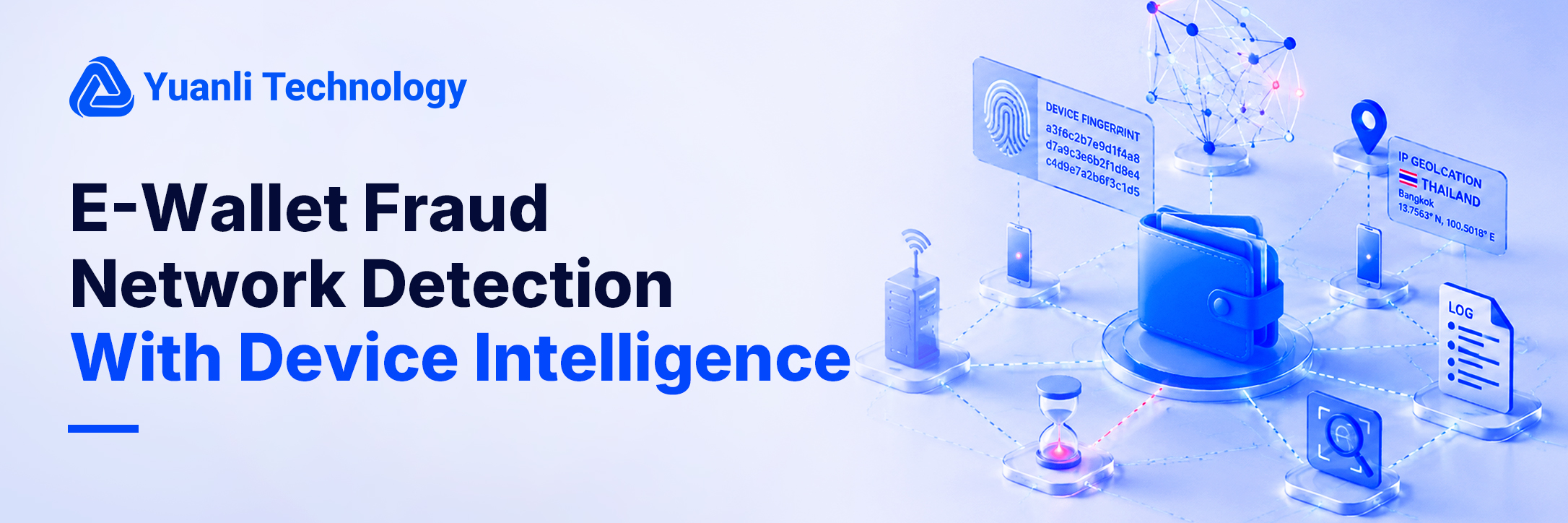
Fraud Network Detection for E-Wallets: How Device Intelligence Exposes Device Farms and Emulator Abuse
E-wallet platforms are built for speed. Users expect to register, verify their identity, transfer funds, and withdraw money within minutes. Fraud networks exploit the same convenience.
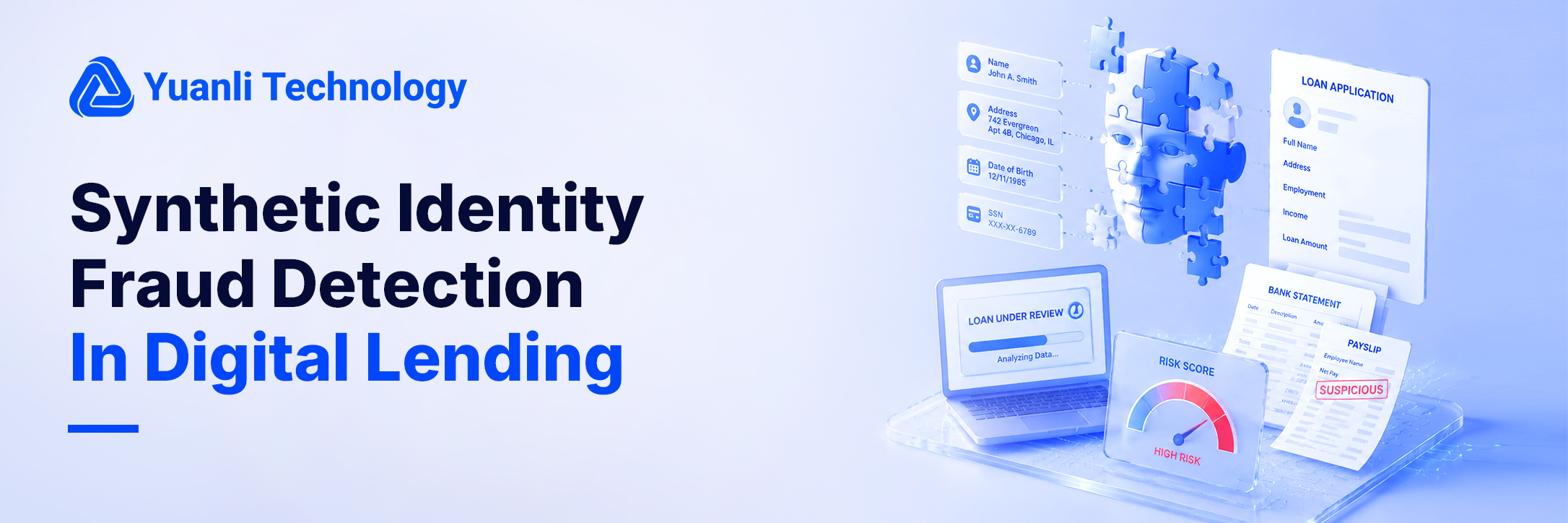
Synthetic Identity Fraud in Digital Lending: How Multi-Layer Identity Verification Detects Fabricated Borrowers
A lending app can approve a borrower in minutes. The ID image is readable. OCR extracts the name and ID number. The selfie matches the document portrait. The phone number is active.
Recaptured ID Document Fraud in Digital Lending: How to Detect Re-Photographed Documents During Onboarding
Digital lending platforms are designed to make borrowing faster and more accessible. Applicants can complete identity verification remotely, submit documents online, and receive lending decisions without visiting a physical branch.

How to Prevent Account Takeover Fraud with Continuous AI Identity Verification
Many fintech companies invest heavily in digital onboarding.

Liveness Detection for KYC: How AI Identity Verification Prevents Spoofing and Onboarding Fraud
Remote customer onboarding has become the default entry point for digital banks, fintech platforms, e-wallets, lending apps, gaming platforms, and cross-border financial services. A user can open an account, submit an ID document, take a selfie, and complete identity verification within minutes.

Top 5 AI Fraud Detection Platforms for Preventing Identity Injection and Deepfakes in Fintech
For years, fintech companies treated identity verification as a compliance checkpoint. The goal was simple: verify the ID document, compare the selfie with the ID portrait, and pass the user through onboarding as quickly as possible.
Deepfake Fraud Prevention in KYC with AI Identity Verification
Deepfake fraud is no longer a future-facing risk for KYC teams. It is becoming a practical onboarding threat: fake faces, synthetic videos, injected camera streams, and manipulated identity documents are now being used to attack digital account opening at scale.

Preventing Multi-Account Abuse in E-Wallet and Gaming Platforms with AI Identity Verification
Multi-account abuse has become one of the most persistent risk challenges for digital platforms. In e-wallets, it often appears as promotion abuse, referral farming, bonus exploitation, mule account networks, and repeated onboarding under different identities. In gaming platforms, it can take the form of bonus abuse, smurfing, ban evasion, account…
How to Comply with Digital Banking Regulations Using Face Recognition in Thailand (2026)
A digital bank in Thailand launches a fully remote onboarding flow to scale customer acquisition. Face recognition and document verification are integrated into the KYC pipeline, and initial conversion rates meet expectations. However, during regulatory review, issues emerge around liveness robustness, audit traceability, and biometric data handling.

Separating the Real from the Fake: StarScope Builds a Strong Defense Against Deepfake Risks
In social entertainment platforms and content-driven internet ecosystems, images and videos have become the primary forms of daily interaction and expression. However, as generative AI technologies continue to mature, the barrier to producing deepfake content has dropped significantly. As a result, large volumes of AI-synthesized facial images and videos are…

Yuanli Technology Paper Accepted into the IEEE Database | Deepfake Liveness Detection Technology Gains International Recognition
With the large-scale adoption of artificial intelligence, AIGC (AI-Generated Content) is profoundly transforming content creation. However, while convenience and efficiency continue to improve, the security risks introduced by AIGC are also escalating rapidly. Among them, deepfake technology has become a key driver of online fraud, misinformation, and identity impersonation. Increasingly…